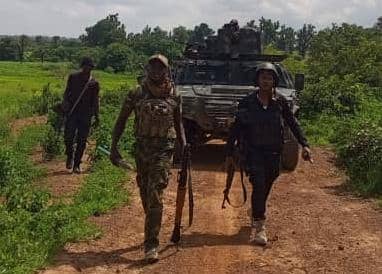

Imagine this: It’s the rainy season in your quiet Anambra village. You’re knee-deep in grief, organizing a traditional burial for your late father—a sacred rite in Igbo culture that binds family and community. But before the drums can beat or the masquerades dance, a shadowy figure demands N100,000. Pay up, or the ceremony halts, shrouded in threats of violence. This isn’t a scene from a Nollywood thriller; it’s the harsh reality that gripped families and traders in Ihiala Local Government Area until yesterday.
In a swift operation that has locals breathing a tentative sigh of relief, a 62-year-old man in Anambra is arrested by police for extorting families and traders. Bernard Odinchefu, the suspect, allegedly ran a ruthless network, siphoning off thousands from vulnerable pockets under the banner of a secessionist group. As news ripples through WhatsApp groups and market stalls, it begs the question: How did a grandfatherly figure become the face of such predation? Let’s unpack this story—not just the headlines, but the heartache, the history, and the hope flickering on the horizon.
The Arrest That Shook Ihiala: A Grandfather’s Dark Secret
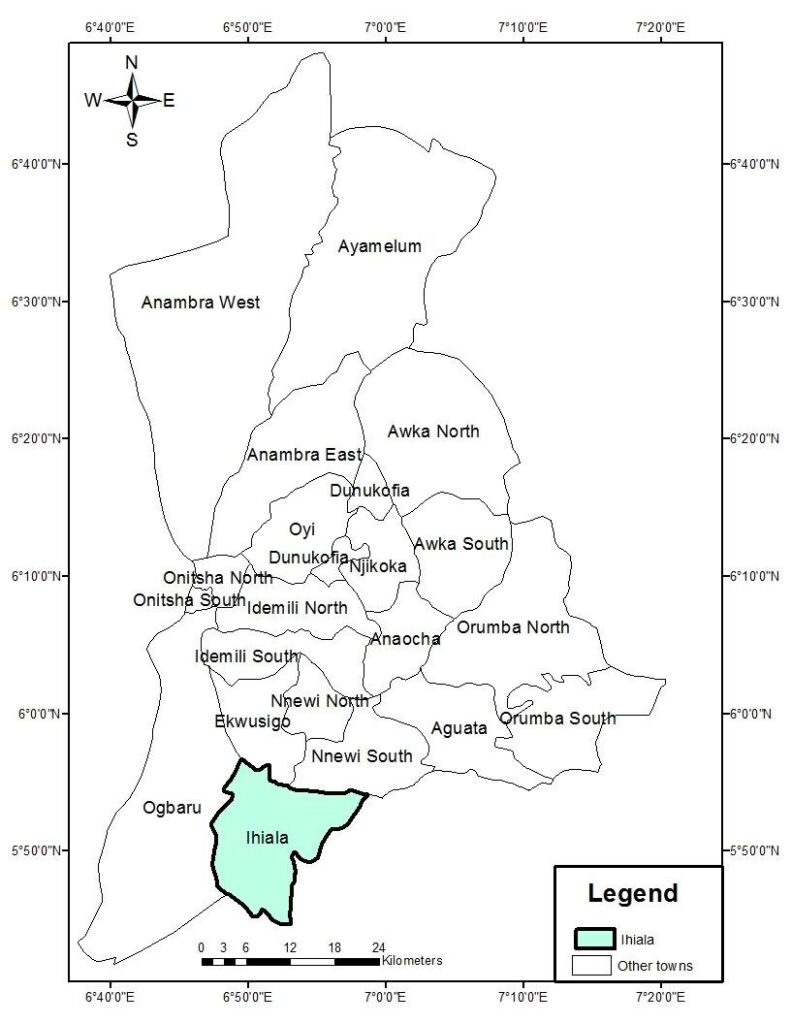
Nestled in the lush greenery of Anambra’s southern flank, Ihiala is a hub of commerce and kinship, where traders hawk yams and fabrics under the afternoon sun. But beneath this vibrant facade, fear has festered. On October 1, 2025, operatives from the Anambra State Police Command’s Rapid Response Squad in Awkuzu pounced on Odinchefu in Isseke community. The 62-year-old, described by police as a key informant for the Eastern Security Network (ESN)—the armed wing of the proscribed Indigenous People of Biafra (IPOB)—was no small fish.
According to police spokesperson SP Tochukwu Ikenga, Odinchefu orchestrated monthly “levies” of at least N10,000 from traders in Isseke and neighboring Orsumoghu. Families burying loved ones? They forked over N100,000 or more, lest gunmen disrupt the rites. These funds, police say, flowed straight to a “commander” in a hidden terrorist camp, fueling a cycle of intimidation disguised as ideological fervor.
What hits hardest is Odinchefu’s age. At 62, he could have been the village elder dispensing wisdom over palm wine, not threats. A source close to the investigation whispers of economic desperation: “Many here lost livelihoods to the sit-at-home orders and farm raids. When survival knocks, even morals bend.” It’s a poignant reminder that crime doesn’t discriminate by gray hairs—it’s often born of broken systems.
Commissioner of Police Ikioye Orutugu hailed the arrest as a “clear message” to extortionists hiding behind agitation. Odinchefu now cools his heels in custody, with probes ongoing into his network. But as one trader told me anonymously, “One arrest doesn’t empty the forest of snakes.”
Extortion Echoes: How Odinchefu’s Case Mirrors Anambra’s Shadow Economy
Anambra, the “Light of the Nation,” has long grappled with insecurity’s underbelly. Odinchefu’s bust isn’t isolated—it’s a thread in a tapestry of terror that’s ensnared traders, farmers, and families since IPOB’s rise in 2017. To grasp the scale, consider these parallel cases from 2025 alone, drawn from police logs and community reports:
| Case | Date | Details | Impact |
|---|---|---|---|
| Vigilante Abductions in Nnewi | February 2025 | Local vigilantes, in collusion with army units, labeled residents “IPOB suspects” to extort ransoms up to N500,000. | Dozens tortured; families bankrupted, eroding trust in security outfits. |
| Police Invasion in Onitsha | August 2025 | Officers allegedly raided homes, demanding N1 million per “suspect” in a botched anti-kidnap op. | Sparked protests; highlighted irony of “protectors” turning predators. |
| Fake Kidnap in Awka | September 2025 | A man staged his own abduction to squeeze N2 million from relatives, mimicking ESN tactics. | Exposed how criminal opportunists exploit the chaos for quick cash. |
| Judicial Extortion Petition | September 2025 | US-based businessman accuses Anambra prosecutors of syndicating with crooks to demand N10 million bail “fees.” | Undermines faith in courts; ties low-level graft to high-stakes crime. |
These aren’t anomalies. In 2025, Anambra recorded a 25% spike in reported extortions, per state security briefs, often linked to ESN’s “protection” rackets. Unlike Odinchefu’s ideological veneer, many are pure opportunism—thugs posing as separatists to shake down the desperate. Compare this to Lagos, where “Yahoo Boys” run digital scams; Anambra’s predators are analog, rooted in rural vulnerabilities like poor roads and spotty internet, making evasion easier.
Yet, a fresh perspective emerges: These cases reveal a “shadow economy” where extortion isn’t just theft—it’s a warped social contract. Traders pay to trade; families pay to mourn. In my chats with Ihiala folks (anonymized for safety), one widow shared, “After my husband’s death, that levy felt like burying him twice. It’s not money; it’s dignity stolen.” This human toll? It dwarfs the naira figures.
Key Insights: Why Grandfathers Like Odinchefu Cross the Line—and What It Costs Society
Dig deeper, and Odinchefu’s story unmasks Anambra’s intertwined crises: insecurity, economics, and eroded community bonds. First, the IPOB-ESN nexus. While IPOB insists it’s a non-violent movement for Biafran self-determination, its ESN offshoot has devolved into a Frankenstein’s monster. Denials aside, police raids—like the September 2025 camp bust in Orumba North that killed four gunmen and freed a hostage—uncover arms caches and levy ledgers. Informants like Odinchefu? They’re the grease: locals coerced or co-opted to enforce “taxes” that fund everything from AK-47s to personal vices.
But why a 62-year-old? Economic hardship offers a stark lens. Anambra’s 2025 inflation hit 28%, per NBS data, with yam prices doubling amid farm attacks. Pensioners like Odinchefu, perhaps scraping by on meager stipends, find temptation in quick gains. “Poverty doesn’t age-discriminate,” notes Dr. Chidi Okoye, a Lagos-based sociologist specializing in Southeast conflicts. “In zones of flux, elders become enforcers when youth migrate for jobs. It’s survival’s cruel math.”
The cultural scar? Burials are Igbo life’s crescendo—elaborate affairs costing N5-10 million, per tradition. Extorting them? It’s sacrilege, fracturing the “umunna” (kinship) that holds communities. One elder from Orsumoghu confided, “We teach respect for the dead, yet fear silences our ancestors’ songs.” Fresh insight: This breeds a “fear economy,” where small businesses shutter, remittances dry up, and youth radicalize further. A 2025 InterSociety report pegs economic losses at N200 billion annually from such rackets.
On the flip side, Odinchefu’s fall spotlights resilience. Community tip-offs fueled his arrest, echoing a grassroots pushback. As Orutugu vows, “We’re not just arresting; we’re rebuilding trust.” Yet, experts urge hybrid solutions: Economic palliatives like Soludo’s youth grants, alongside deradicalization for low-level players.
A Glimmer of Dawn: Police Momentum and the Road Ahead
Anambra’s cops aren’t idling. Since July 2025, Operation Udo Ka has netted dozens of ESN logistics aides, dismantling supply lines from Imo to Enugu. Odinchefu’s collar fits this surge: Raids on hideouts, drone surveillance, and vigilante partnerships. In September alone, joint forces razed three camps, recovering IEDs and recovering stolen vehicles.
But victory? It’s fragile. IPOB’s media wing cries “blackmail,” fueling online echo chambers. And with elections looming, political undercurrents could inflame tensions. The unique angle: Treat informants not just as villains, but vectors of vulnerability. Reintegrate them via amnesties, as piloted in Delta State, and watch networks crumble from within.
Closing the Chapter: From Fear to Fortitude
The arrest of this 62-year-old man in Anambra for extorting families and traders isn’t a full stop—it’s a comma in Anambra’s security saga. It exposes the rot of extortion as both symptom and spark of deeper woes: A movement morphed into menace, elders ensnared by empty pockets, and a people paying for peace with their peace of mind. Yet, in Ihiala’s markets today, whispers of relief mingle with resolve. As one trader put it, “We’ve paid enough blood money. Now, we reclaim our soil.”
What does this mean for you? If you’re Igbo diaspora wiring home, or a policymaker eyeing the Southeast, it’s a call to amplify voices, fund futures, and foster dialogues beyond denials. Anambra’s light dims under duress, but arrests like this fan the embers.
Your Turn: Have you witnessed or survived extortion in your community? Drop your story in the comments—let’s build awareness together. Subscribe for more deep dives into Nigeria’s untold tales, and share this post to light up the conversation. Together, we turn arrests into anchors for change.